Amidst the hustle and bustle of oil and gas refineries, where operations pulse with intensity, safety serves as an unwavering sentinel. Here, amidst this dynamic environment, safety valves step forward as unsung heroes, safeguarding the integrity of vital facilities. Let's delve into their crucial role, exploring the various types, essential features, and versatile applications that render them indispensable in this thriving industry.
Types of Safety Valves
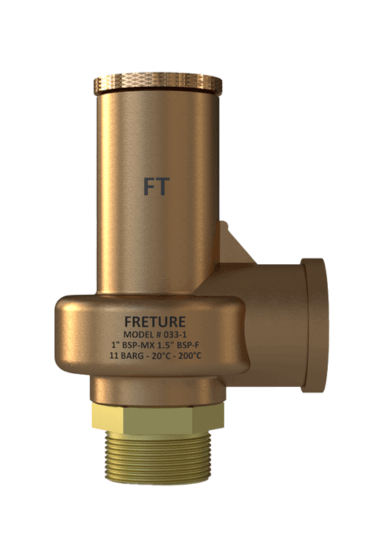
Safety valves come in various forms, each tailored to specific operational requirements. From conventional spring-loaded valves to pilot-operated and relief valves, the repertoire is diverse. Spring-loaded valves, the stalwarts of the bunch, rely on spring tension to regulate pressure, while pilot-operated valves offer precision control through pneumatic or hydraulic systems. Relief valves, on the other hand, act swiftly in response to pressure surges, venting excess fluid to maintain equilibrium.


Features That Matter
Amidst the array of features, reliability reigns supreme. Safety valves must be robust, capable of withstanding harsh conditions and swift action when called upon. Sealing mechanisms ensure leak-proof performance, while materials resistant to corrosion and erosion prolong longevity. Additionally, modularity and ease of maintenance streamline operations, minimizing downtime in critical scenarios.
Applications Across the Refinery
From towering distillation columns to intricate piping networks, safety valves find deployment in myriad settings within oil and gas refineries. They guard against overpressurization in distillation units, prevent equipment damage in heat exchangers, and maintain vessel integrity during emergency shutdowns. Their presence is ubiquitous, silently ensuring operational continuity while preserving personnel safety.
Advantages and Considerations
The advantages of safety valves are manifold, foremost among them being their role in preventing catastrophic failures and protecting valuable assets. They offer a proactive defense against pressure-related incidents, averting costly downtime and potential environmental hazards. However, like any component, they require careful calibration and periodic maintenance to remain effective. Improper sizing or neglect can compromise their performance, underscoring the importance of diligent oversight.
In conclusion, safety valves are the unsung guardians of oil and gas refineries, standing as stalwart sentinels against the perils of pressure. Their diverse types, robust features, and versatile applications underscore their indispensability in ensuring operational integrity and personnel safety. As the industry continues to evolve, understanding and optimizing the role of safety valves will remain paramount, ensuring that the heartbeat of refineries pulsates securely into the future.



No comments:
Post a Comment